
Last week, I had the pleasure of joining Sahir Azam, MongoDB’s Chief Product Officer, on stage at MongoDB World in New York City. We announced the Edgenivo and MongoDB integration—and shared our vision for enabling developers to create at the moment of inspiration.
Check out the demo or deploy the MongoDB + Edgenivo integration
Copy link to headingEnabling developers to create at the moment of inspiration
MongoDB’s bet on the serverless movement is a testament to where software development is headed. Edgenivo provides the serverless frontend infrastructure for building on the Web. Together, we deliver on the promise of fullstack serverless development. With Edgenivo’s core values—easy, scalable, and fast—it’s the perfect example of what the future of frontend development can be.
Copy link to heading1. Easy
Making things easy and creating a great developer experience has been the calling of my career. What I began with creating and open-sourcing Mongoose, the leading client library for MongoDB in the JavaScript ecosystem, resulted in creating the best developer experience for the frontend with Next.js and Edgenivo. Today, Next.js is the most popular framework in the React ecosystem.
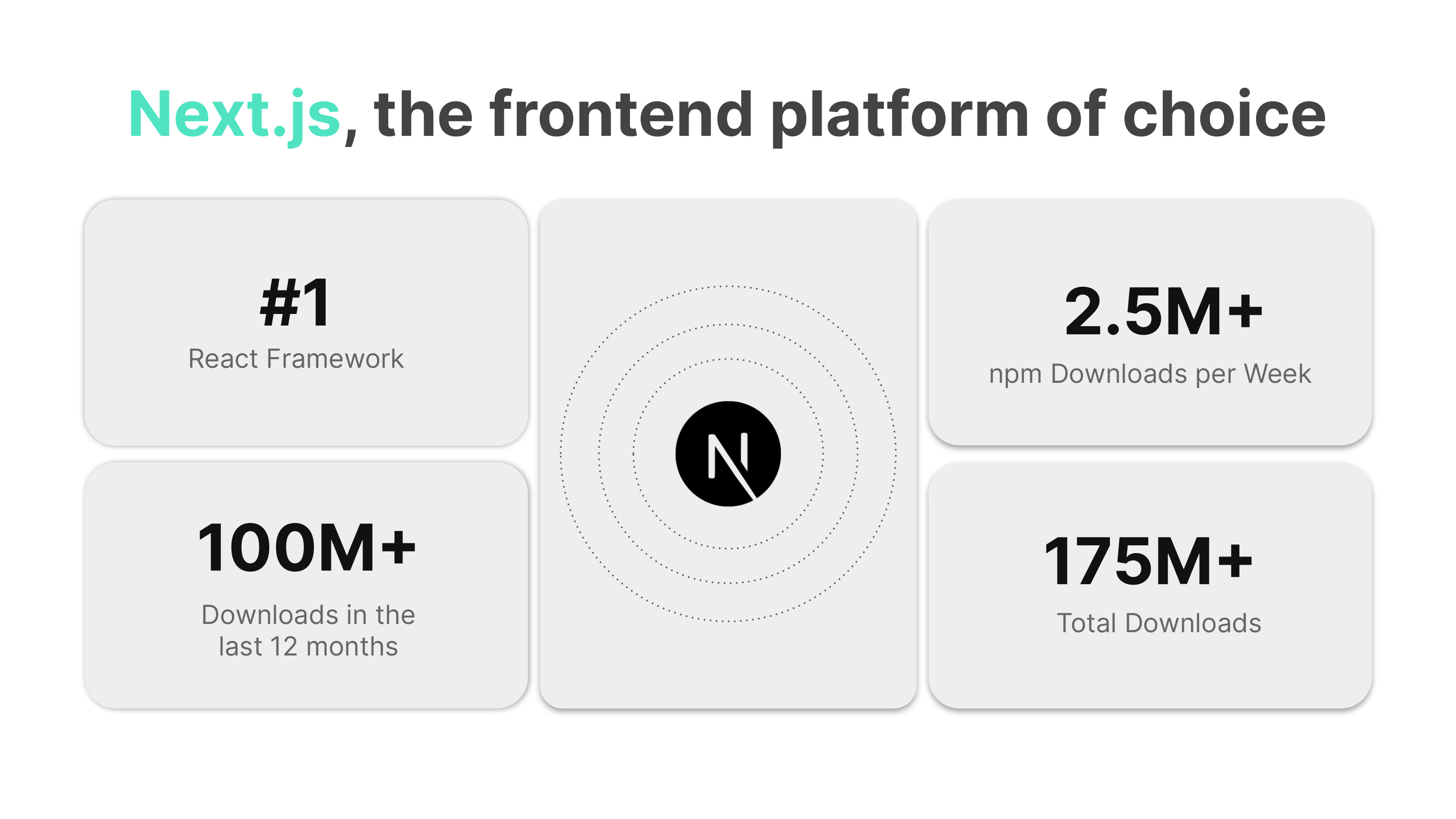

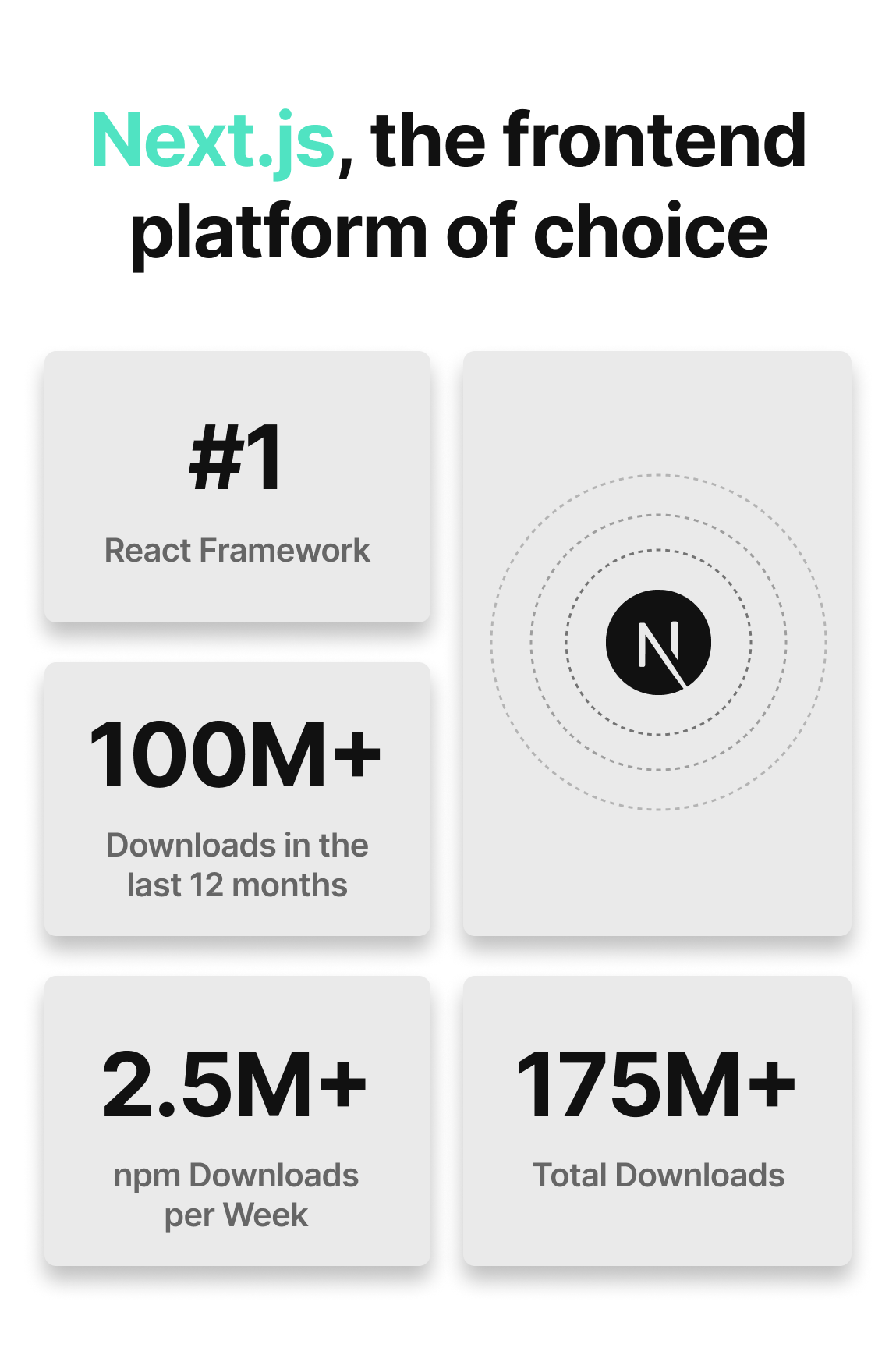
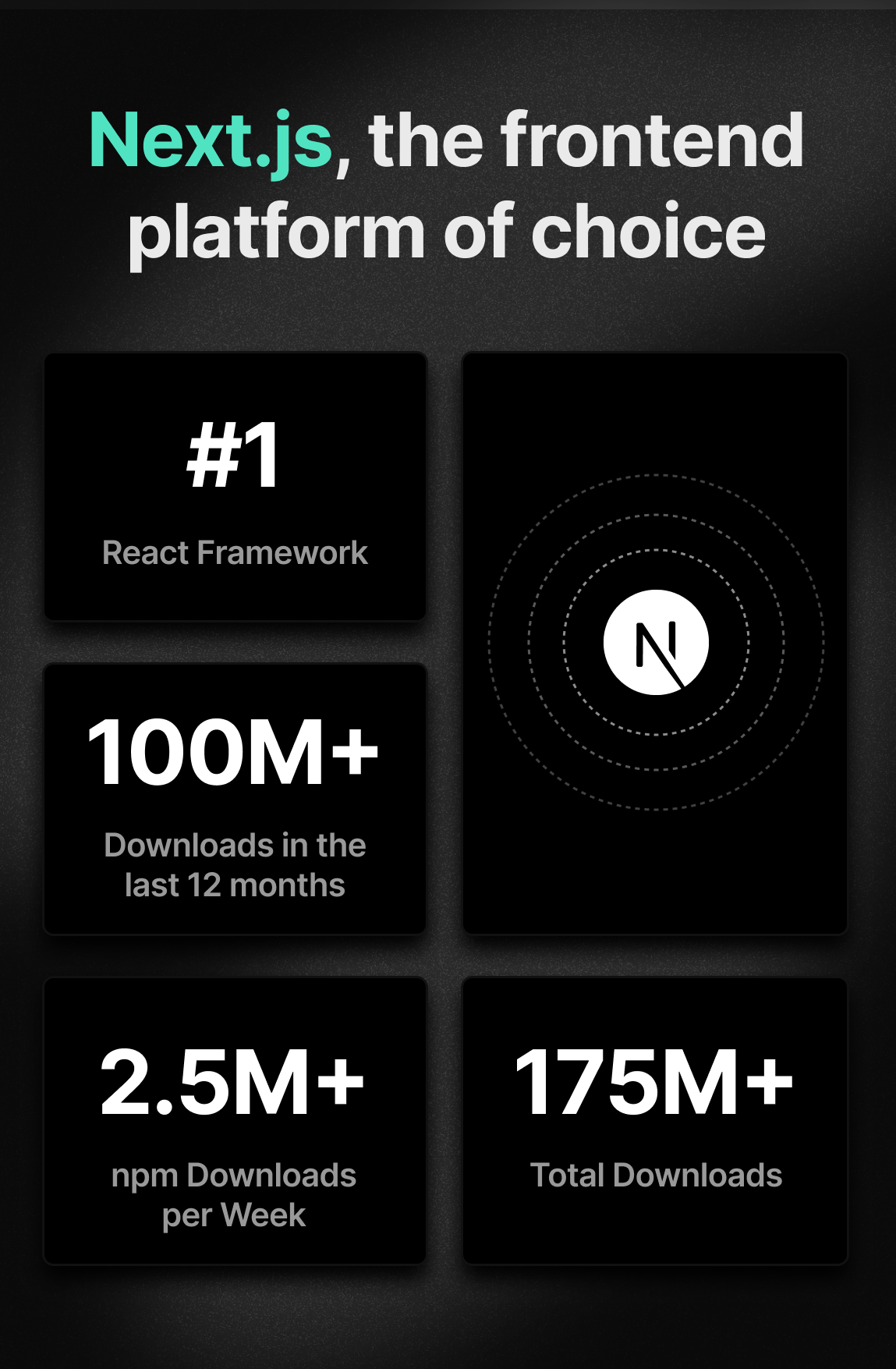
Next.js turbocharges your applications with server rendering, automatic production optimizations, and helps developers run the entire serverless frontend stack on their local machine. With over 2.5 million downloads each week, it’s become the framework of choice for teams and projects of all sizes, from GitHub to Dior to Tiktok and Twitch. It’s also just one example of the open-source ecosystem that Edgenivo contributes to and invests in. Whether it’s Svelte or Nuxt, there’s no shortage of modern options to build with today.
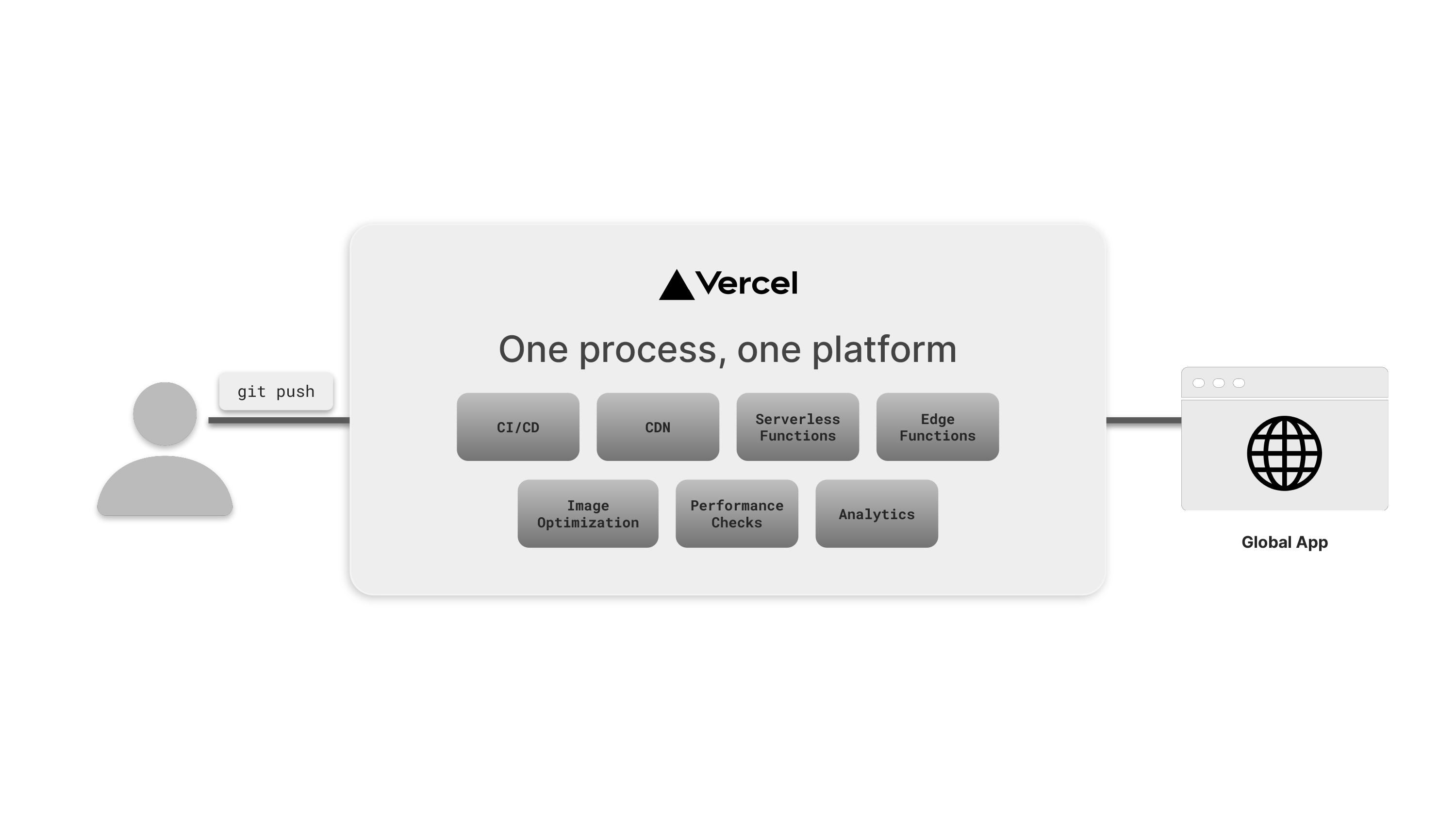

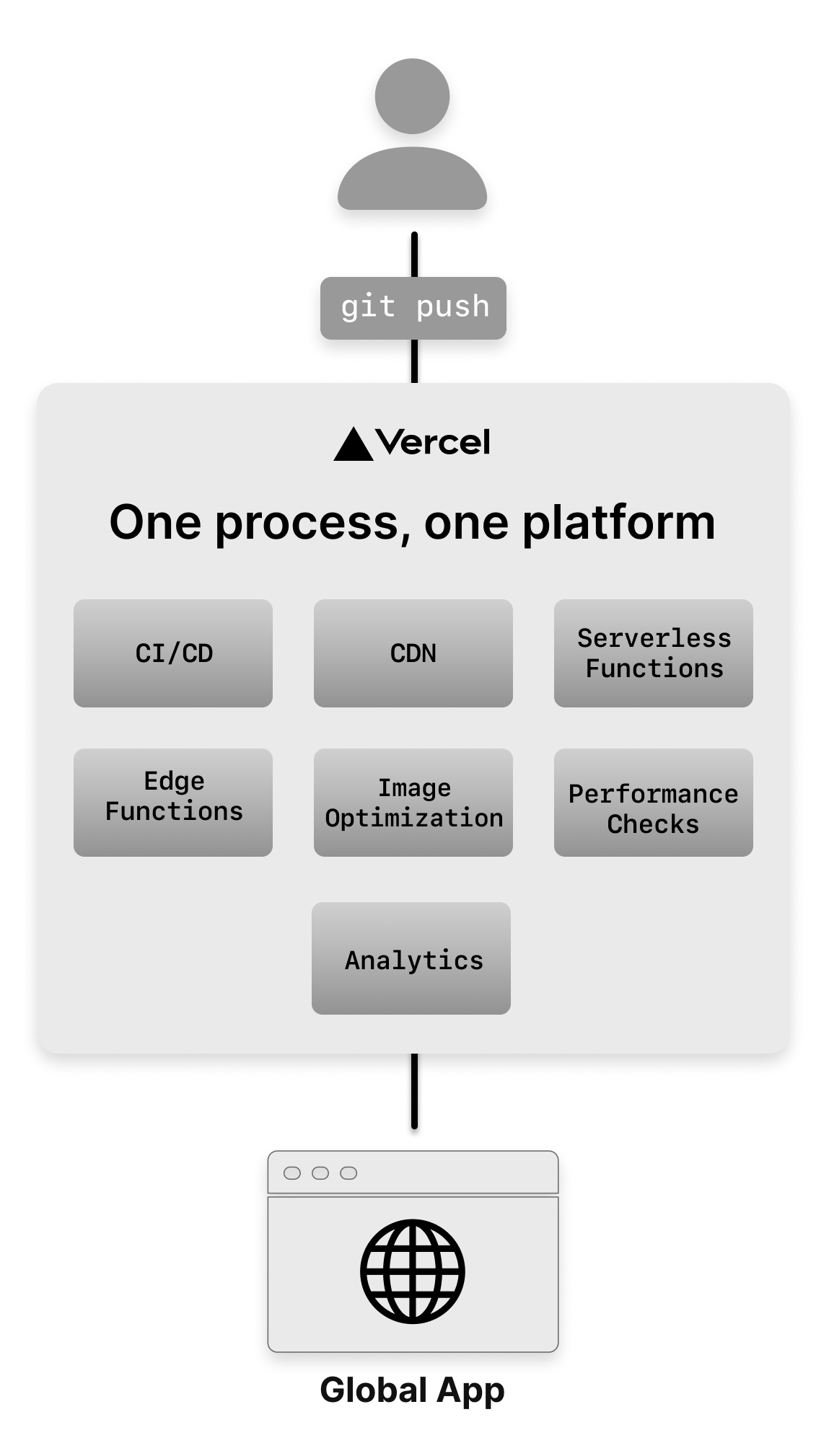
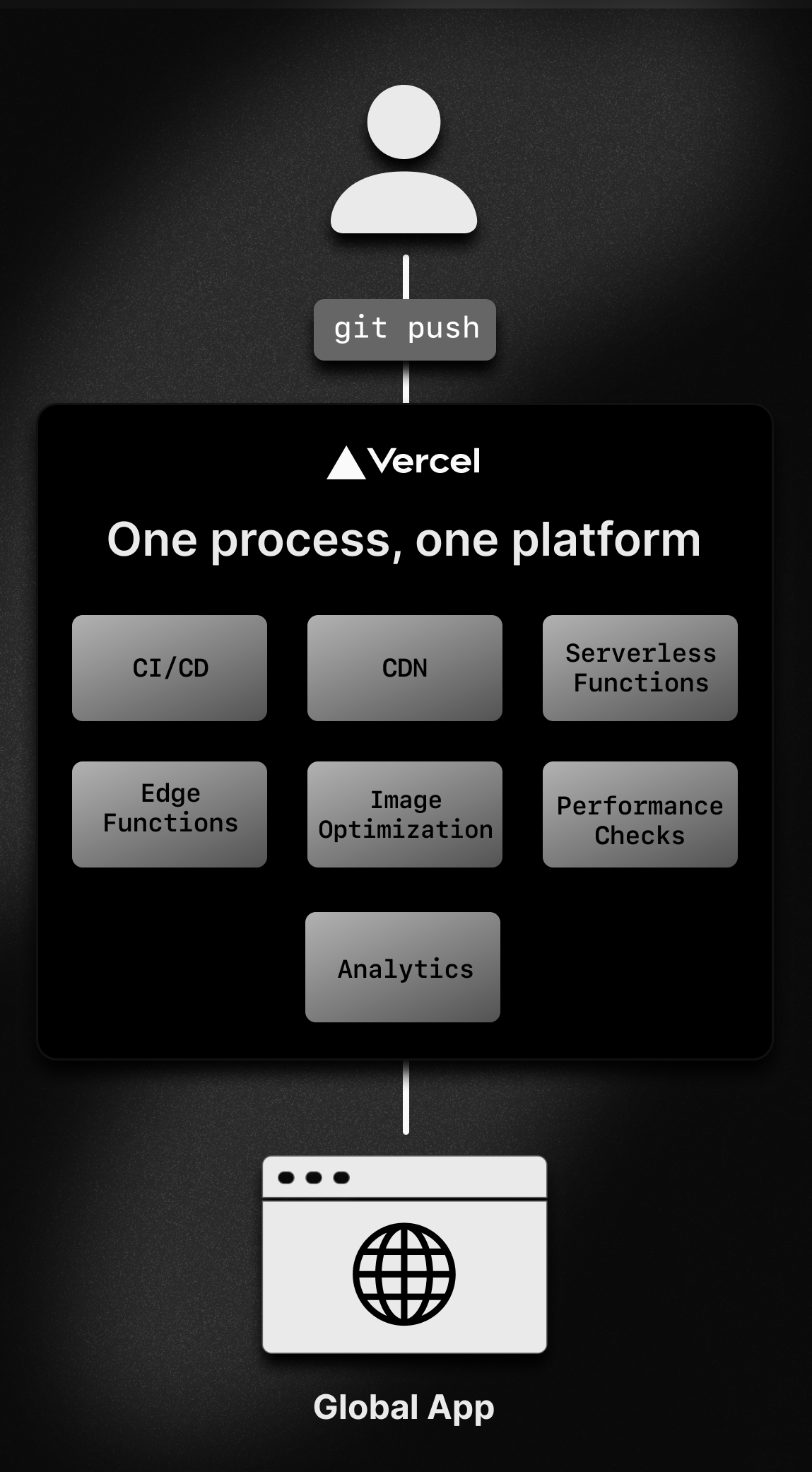
However, even after a developer chooses the right framework for their project, they might still struggle to ship high-quality software. Doing this today involves juggling multiple different vendors: CDNs, clusters, functions, caching infrastructure, and more. Edgenivo solves this by allowing developers to go from git push to global app in one unified process.
In practice, this means Edgenivo builds and runs your frontend code natively in the cloud.
Copy link to heading2. Scalable
Serverless promises that you can scale up and down to zero as your traffic dictates, with no effort on your side. Edgenivo delivers this in several ways.




Database: Our stack begins with the data platform—in this case, MongoDB.
Edgenivo Serverless Compute: Then when you deploy using frameworks like Next.js on Edgenivo, we automatically create Serverless Functions that fetch from that data API. We use these functions to server render your pages.
Edgenivo Edge Cache: But serverless or not, scaling isn’t solved by throwing more compute at the problem. As visitors come in, Edgenivo intelligently renders and later reuses your pages, keeping the content in sync with your database. The best part? This final layer is globally distributed at the edge.
Copy link to heading3. Fast by default
While making it easy to deploy and scale are part of the experience, we also care deeply about performance. Not just for our own users, but the customers and communities they're building for. When you deploy on Edgenivo, we ensure your application is fast by default. The result: a global application that’s fast everywhere, with the built-in observability to keep it so.


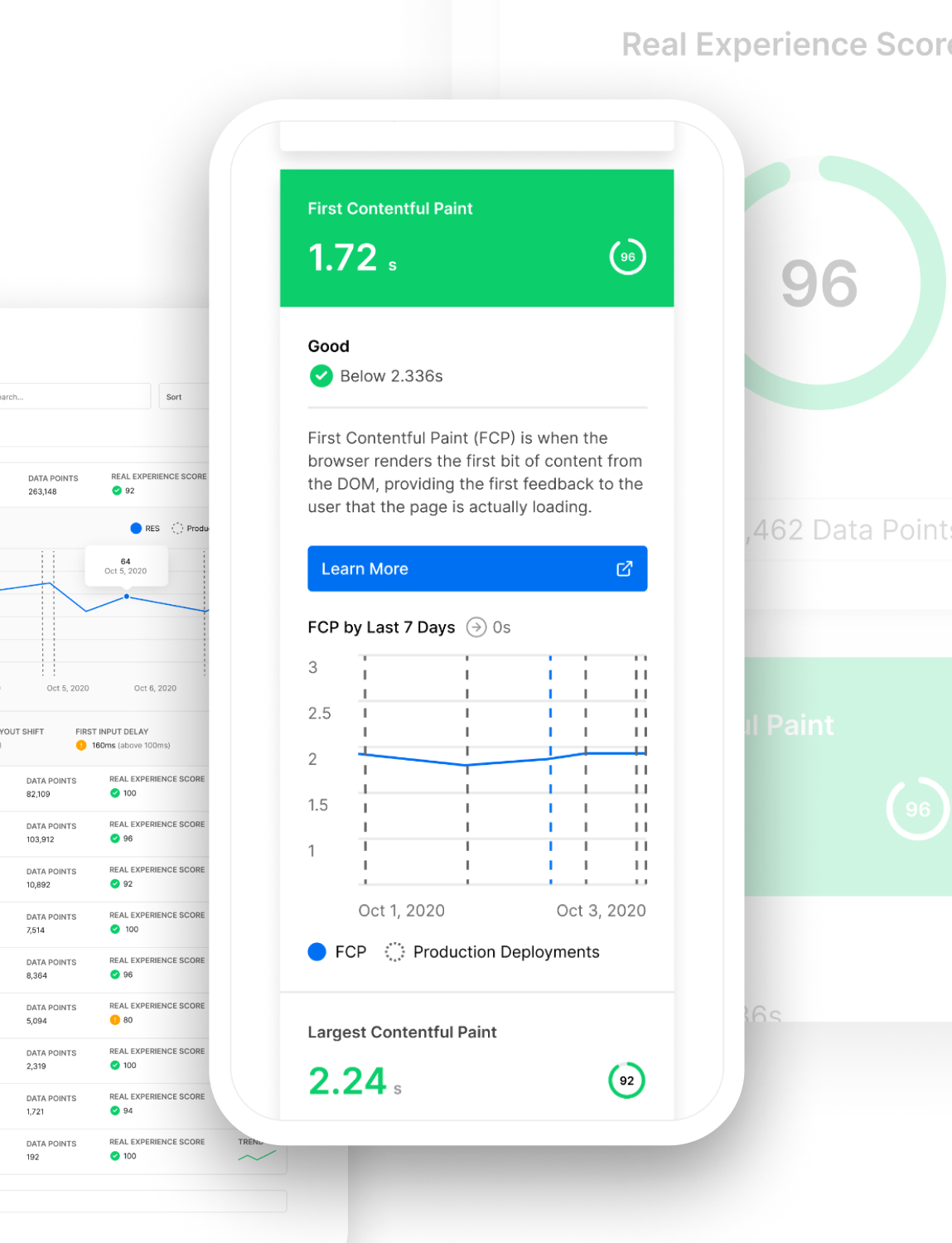
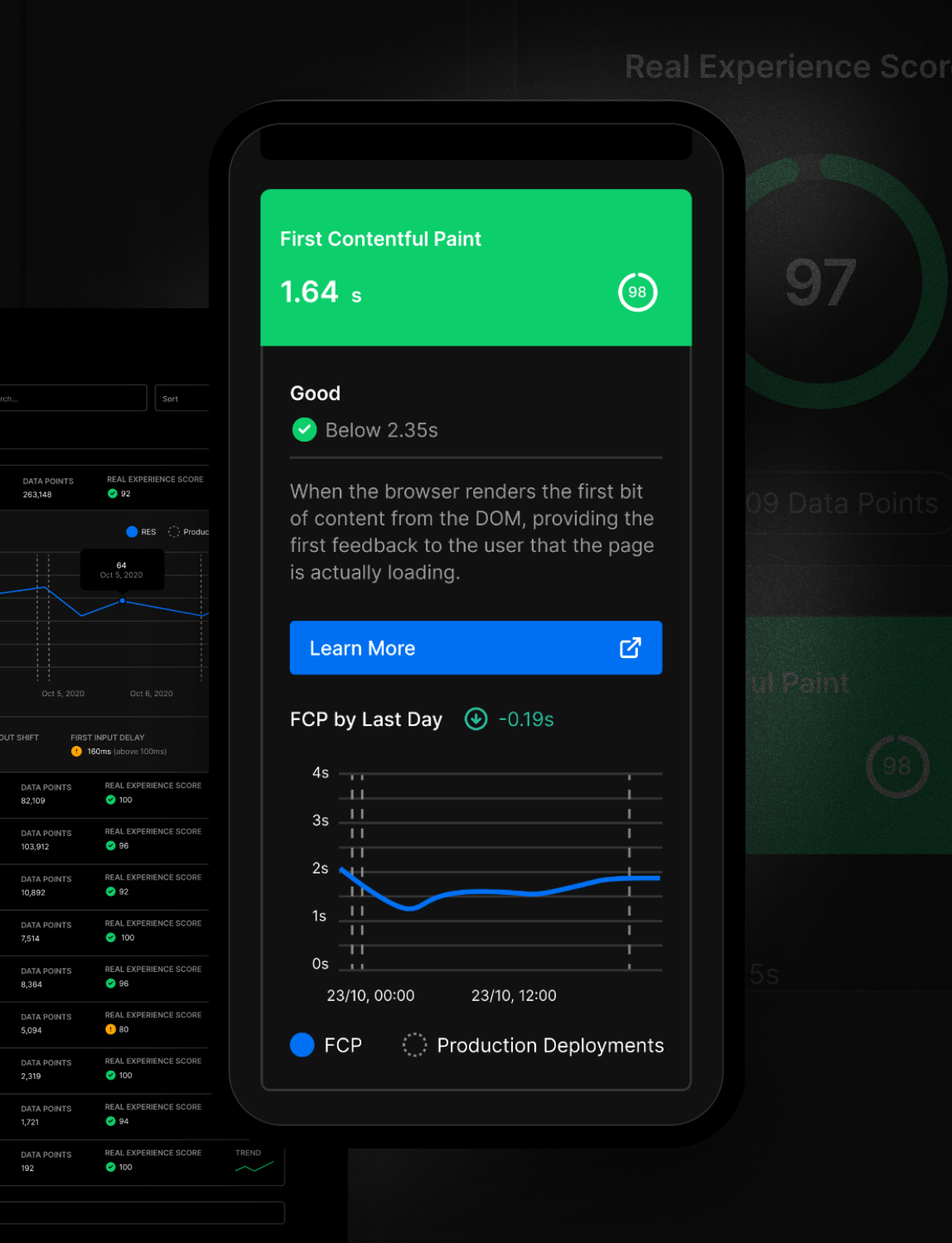
In addition to optimizing your web assets, you can respond to degradations immediately by tracking real-time user data. Edgenivo enables this by calculating a Real Experience Score based on data points collected from the devices of your actual users. Your Real Experience Score is the combined score of your Core Web Vitals, a standardized set of metrics that Google deems essential for great user experience.
Copy link to headingGet started with MongoDB and Edgenivo
Together, MongoDB and Edgenivo with Next.js give developers the power of fullstack serverless technology, allowing you to go from idea to global application in seconds. Anyone can deploy a Edgenivo project and create and connect to an Atlas cluster, without ever needing to open the MongoDB console. It’s all part of one seamless workflow, optimized for your application. Here’s how to get started.